
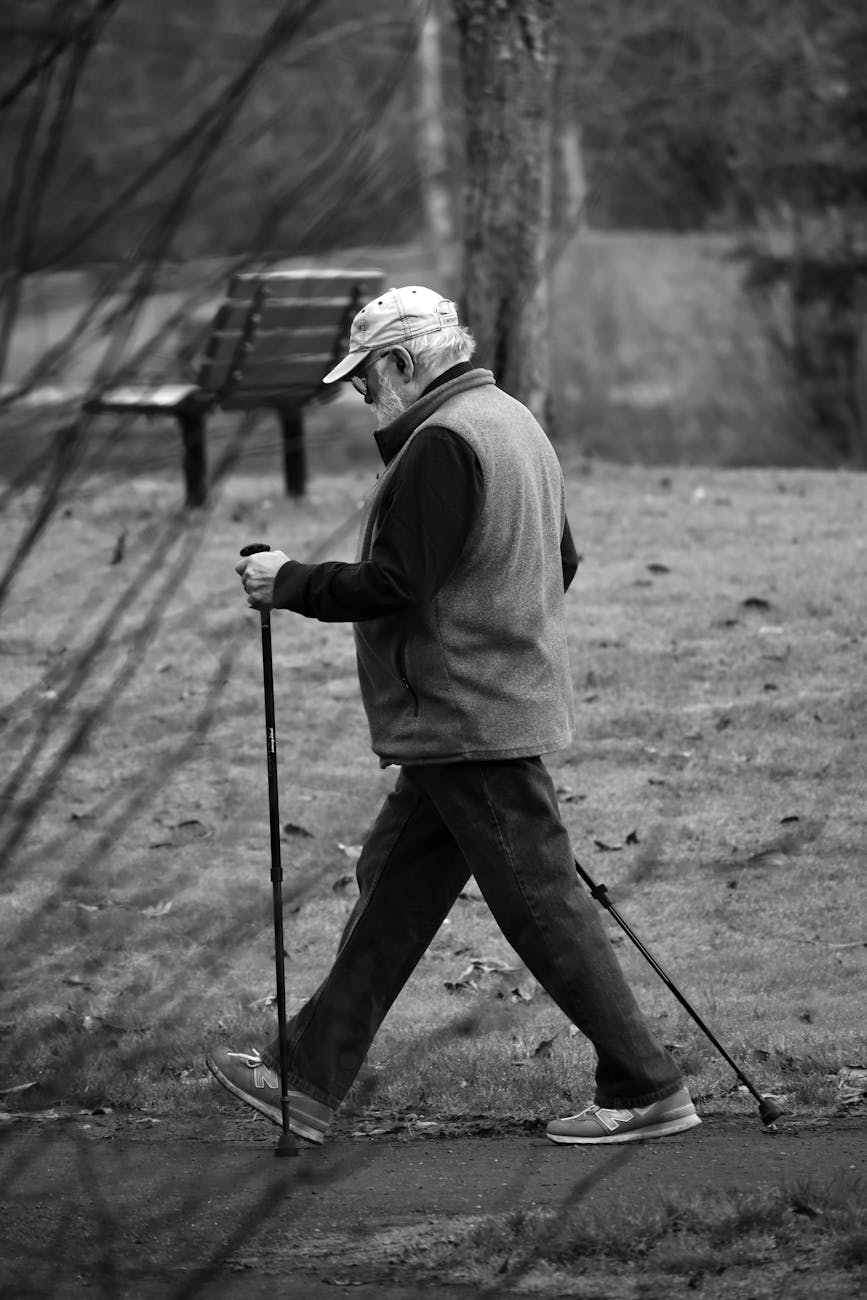
We tend to think of pain as something that happens to us—an injury, a flare-up, a random ache that appears without warning. But more often than not, pain is the result of patterns. Specifically, patterns of movement that have slowly drifted away from how the body is designed to function.
At the core of long-term physical health is one simple principle: the body thrives on balanced, efficient movement. When that balance is lost, the consequences accumulate quietly—until they can’t be ignored.
The Body Is a System, Not a Collection of Parts
Muscles, joints, tendons, and ligaments don’t operate in isolation. They work together as an integrated system. When one area becomes restricted, weak, or overactive, other areas compensate.
For example, limited hip mobility might lead to increased strain on the lower back. Weak glutes can shift load into the knees. Poor posture at a desk can create tension in the neck and shoulders. These compensations may feel harmless at first, but over time they alter how forces move through the body.
This is where problems begin.
Movement imbalances change how stress is distributed across tissues. Instead of being shared efficiently, load becomes concentrated in specific areas. Over time, this leads to:
- Wear and tear on joints
- Chronic muscle tightness or weakness
- Reduced mobility and stability
- Inflammation and irritation of tissues
This process is often gradual. You might not notice it day-to-day, but months or years of inefficient movement can lead to degeneration—breakdown in the structures meant to support you.
Pain is often the last symptom to show up, not the first.
When pain appears, it’s tempting to treat the area that hurts: massage the sore spot, stretch the tight muscle, rest the irritated joint. While these can provide temporary relief, they don’t address the underlying issue if the root cause is a movement imbalance elsewhere.
For example:
- Knee pain might stem from poor hip control
- Shoulder pain could be linked to thoracic spine stiffness
- Foot pain may originate from weak hips or limited ankle mobility
Without correcting the pattern, the cycle continues.
Rehabilitation isn’t just about recovery after injury—it’s about restoring proper function. A good rehab approach focuses on:
1. Identifying Dysfunction
Understanding where mobility is lacking, where stability is insufficient, and where compensations occur.
2. Restoring Mobility
Improving range of motion in joints that have become restricted.
3. Building Stability and Strength
Training muscles to support joints effectively, especially in underactive areas.
4. Re-educating Movement Patterns
Teaching the body how to move efficiently again—walking, squatting, reaching, lifting.
5. Gradual Reintegration
Returning to normal activities (and beyond) with better mechanics than before.
A Shift in Perspective
The goal isn’t just to be pain-free—it’s to move well.
Pain relief without movement correction is often temporary. But when you restore balance in how your body functions, you create lasting change. You move with less effort, more control, and greater confidence.
In the end, proper movement isn’t just about exercise or rehab sessions. It’s about how you live in your body every day. And when that foundation is solid, everything built on top of it becomes stronger.

 Posture & Movement Ltd Co
Leave a comment