
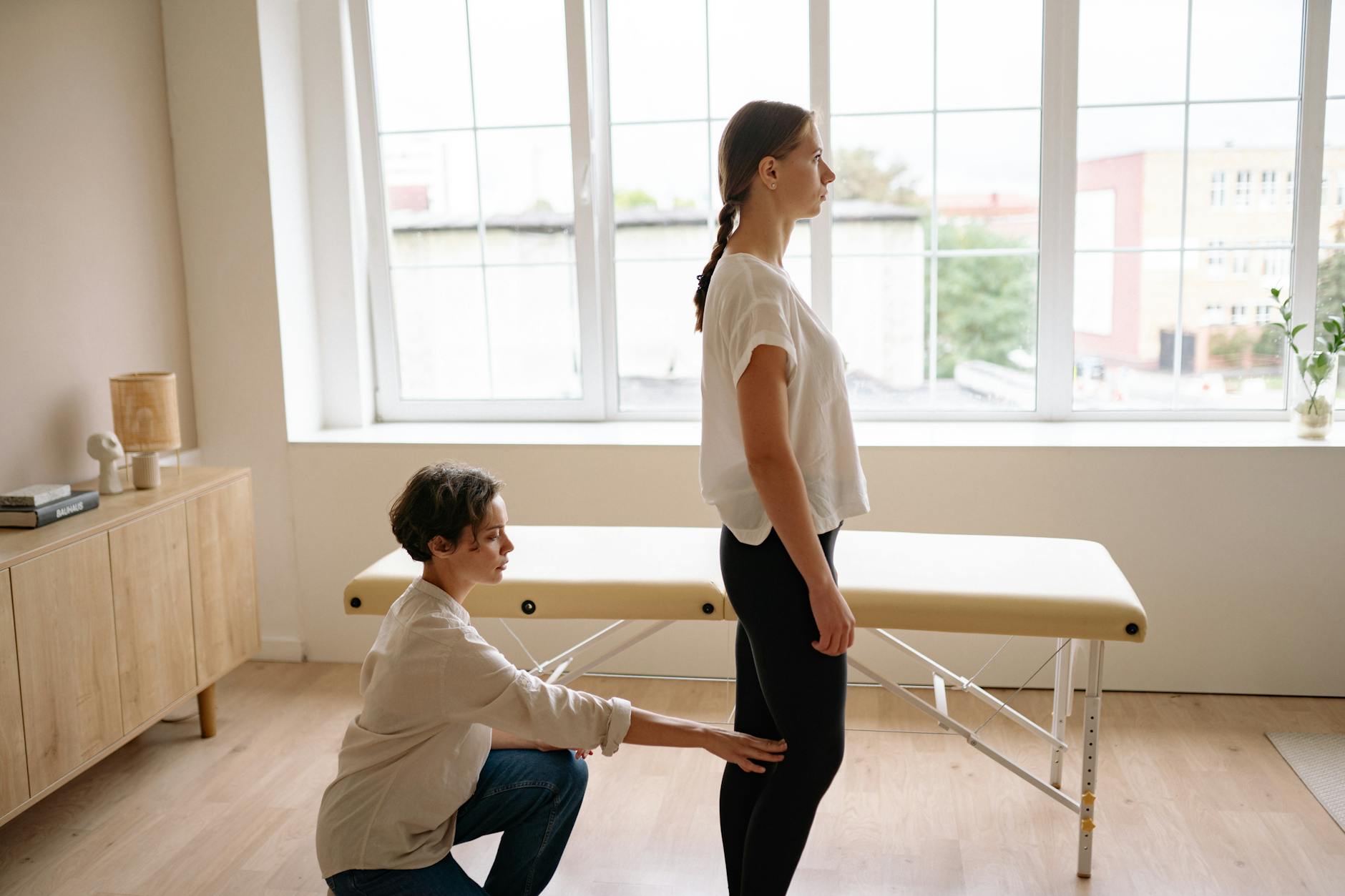
Posture is a fundamental component of how your body functions. The way you hold yourself throughout the day directly influences how efficiently your muscles, joints, and connective tissues work together. At the center of this is the concept of neutral posture—a balanced alignment allows the body to operate as it was designed.
Neutral posture refers to the position where your joints are aligned to minimize stress while maximizing efficiency. It doesn’t mean rigid or perfectly upright; rather, it’s a dynamic state where the spine maintains its natural curves, and the head, shoulders, hips, knees, and ankles are stacked to distribute forces evenly.
In this position:
- The ears align over the shoulders
- The shoulders rest over the hips
- The spine maintains its natural S-shaped curve
- The pelvis is neither tilted too far forward nor backward
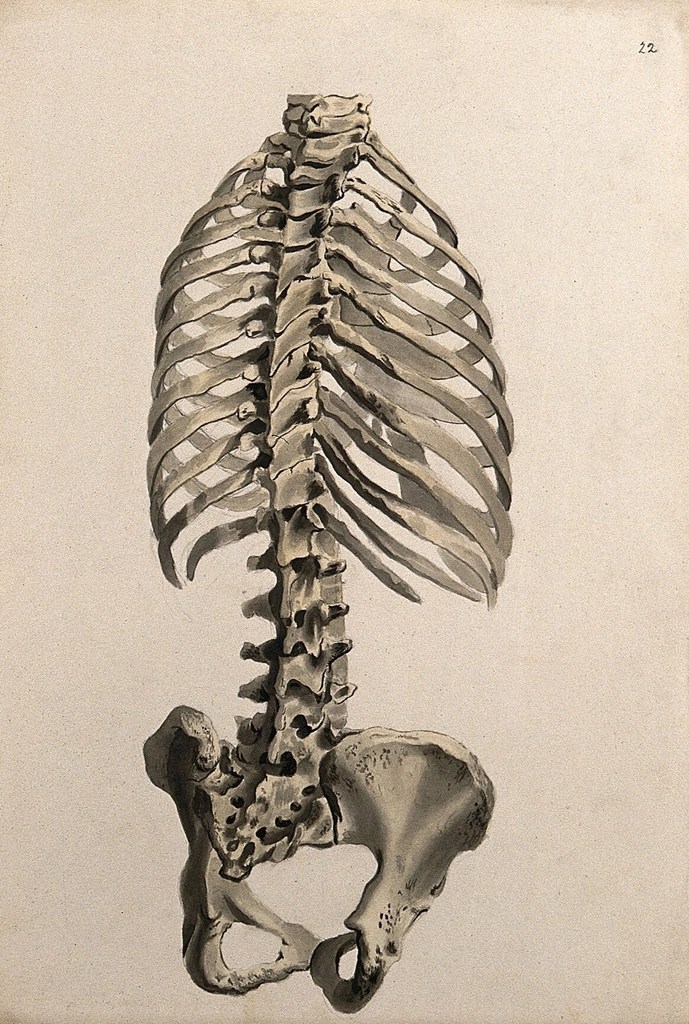
This alignment allows the body to move and stabilize without unnecessary strain. Your musculoskeletal system—composed of bones, muscles, ligaments, and tendons—is designed to work as an integrated unit. Each part relies on the others to maintain stability and produce movement. When posture is neutral, this system functions efficiently:
- Muscles share the workload evenly rather than compensating for imbalances
- Joints move through their intended range without excessive wear
- Ligaments and tendons experience appropriate tension, reducing risk of injury
When posture deviates from neutral—like prolonged slouching or forward head positioning—this balance is disrupted.
Modern lifestyles encourage positions that pull us out of alignment: sitting for long hours, looking down at screens, or standing with uneven weight distribution. Over time, these habits can lead to:
- Muscle imbalances (some muscles become tight, others weak)
- Joint stress (leading to arthritis) and discomfort
- Reduced mobility and flexibility (worsens posture)
- Increased risk of chronic pain, especially in the neck, shoulders, and low back
One common misconception is that good posture means holding a fixed position all day. In reality, the body thrives on movement. Even a perfectly aligned posture can become problematic if held for too long.
The key is variability:
- Shift positions frequently
- Alternate between sitting and standing
- Incorporate movement breaks throughout the day
Neutral posture serves as your home base—a reference point you return to, rather than a rigid standard you force yourself to maintain continuously. Improving posture starts with awareness. Many people don’t realize how far they’ve drifted from neutral until discomfort appears.
Simple strategies can help:
- Check in with your alignment during routine activities
- Adjust your workspace to support neutral positioning
- Strengthen core and postural muscles
- Stretch areas that tend to become tight, like the chest and hips
Over time, these small adjustments can retrain your body to default to more efficient alignment.

 Posture & Movement Ltd Co
Leave a comment