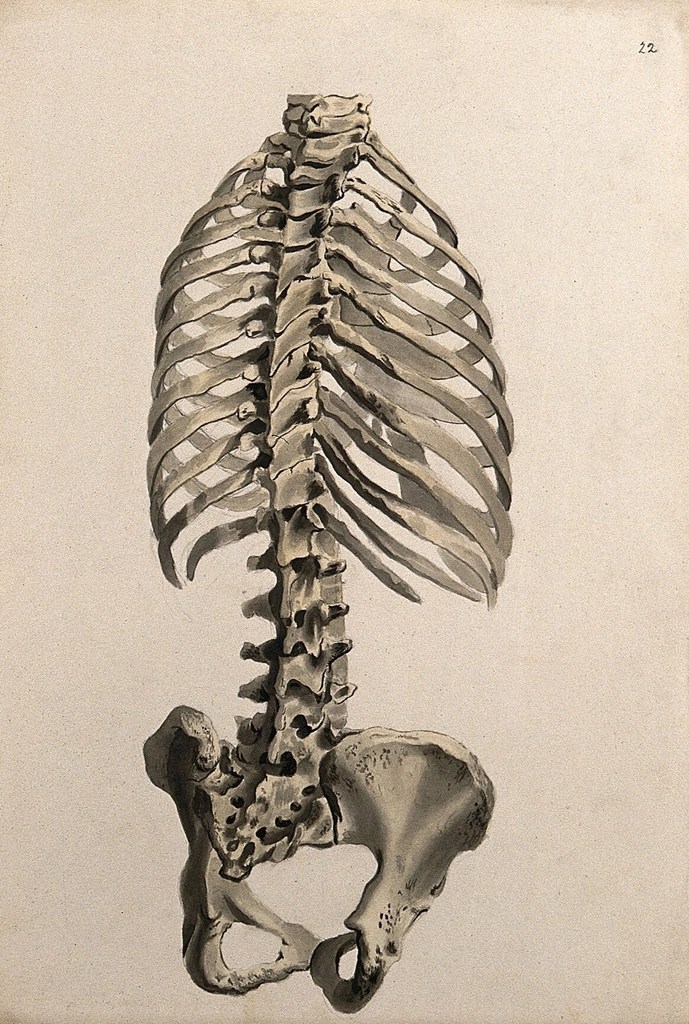
Neurologically-speaking, muscles move joints. Muscles are active structures that contract and generate force to produce movement while joints provide structure and stability. Both muscles and joints contain sensors that provide feedback and control that allows for movement. The brain receives these messages, processes and relays responses to muscles, for example, to move. Efficient, accurate input leads to smooth, coordinated movement, while altered or excessive input (like from restricted joints or irritated tissues) can lead to compensation, stiffness, or pain responses.
When care is reimagined through the lens of the entire musculoskeletal and nervous systems, it becomes less about adjusting joints and more about restoring overall balance and movement. Treatment may still include spinal or joint techniques, but it is complemented by a broader assessment of posture, muscle function, joint mobility, and movement patterns.
By improving mobility, reducing mechanical strain, and supporting healthy movement patterns, care is designed not only to relieve pain but to enhance overall function and resilience. Patients often notice improvements not just in their primary complaint, but in how they move, feel, and perform in daily life. Chiropractic care is evolving. By integrating whole-body principles, treatment becomes more personalized, more comprehensive, and more aligned with how the body truly functions. The goal is not just short-term relief, but lasting improvement in mobility, function, and overall well-being.
Joint Mobilization
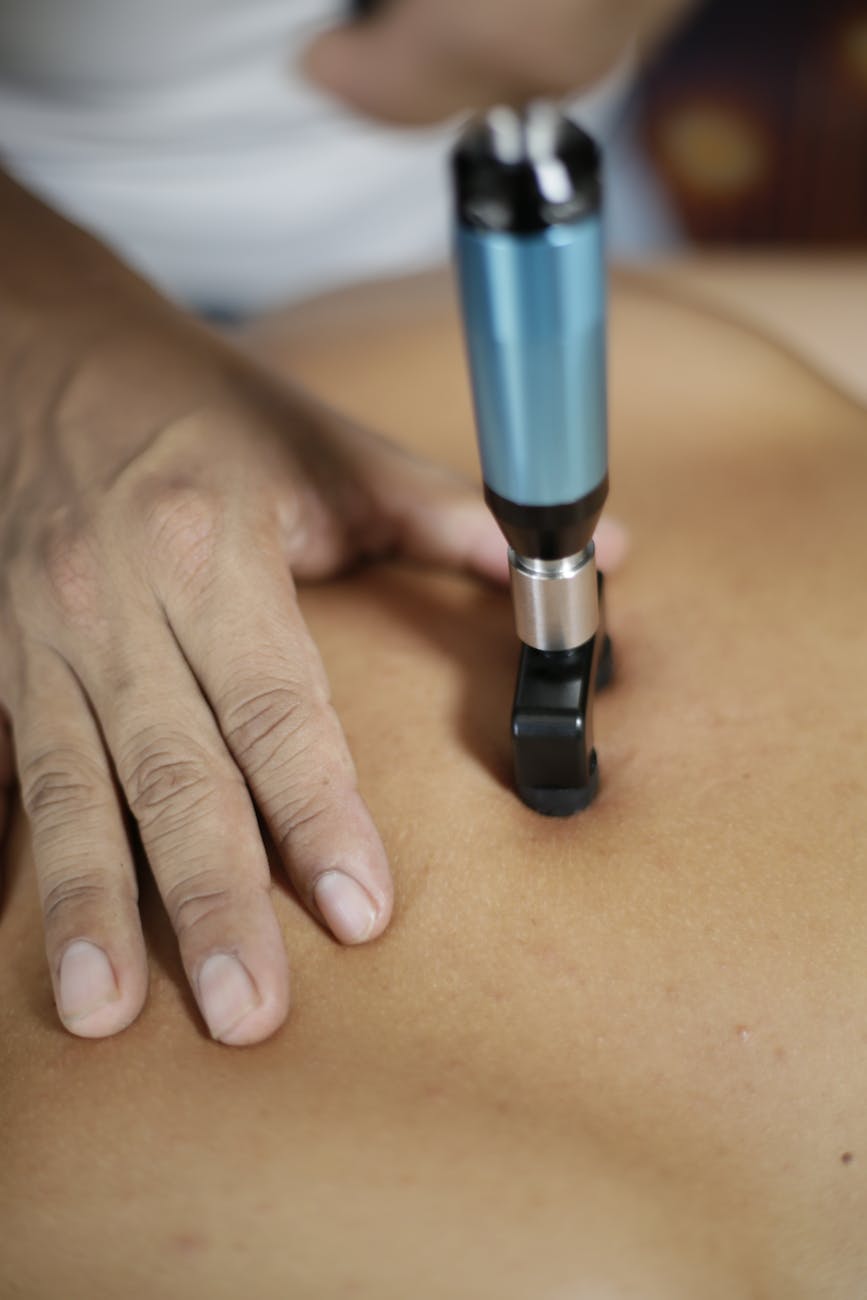
Joint mobilizations or manipulations are common hands-on or instrument applied techniques used by physical therapists, chiropractors, osteopaths and other trained providers to improve joint movement and reduce pain. Mobilizations are controlled, gentle movements applied to the joint with various intensities and depths to achieve desired results. Manipulations are quick, precise motions applied to a joint, often associated with a ‘pop’ or rapid change in joint pressure, not a movement of bone.
Research supports that these techniques reduce pain sensitivity by interrupting pain signals to and from the brain and reduce muscle guarding. Joint mobilizations and manipulations are best viewed as a way to reduce pain and improve motion so that exercise and rehabilitation can be more effective. These treatments are conservatively applied, safe and effective with careful screenings for any risk factors prior to treatment.
During mobilization, you may feel a gentle rocking or pressure, a stretching sensation and relaxation of surrounding muscle. During mobilization, you may feel a quick controlled pressure, a brief release sensation and sometimes a ‘pop’ sound. Neither technique should be painful but common mild side effects include temporary soreness or fatigue after treatment.
Dry Needling
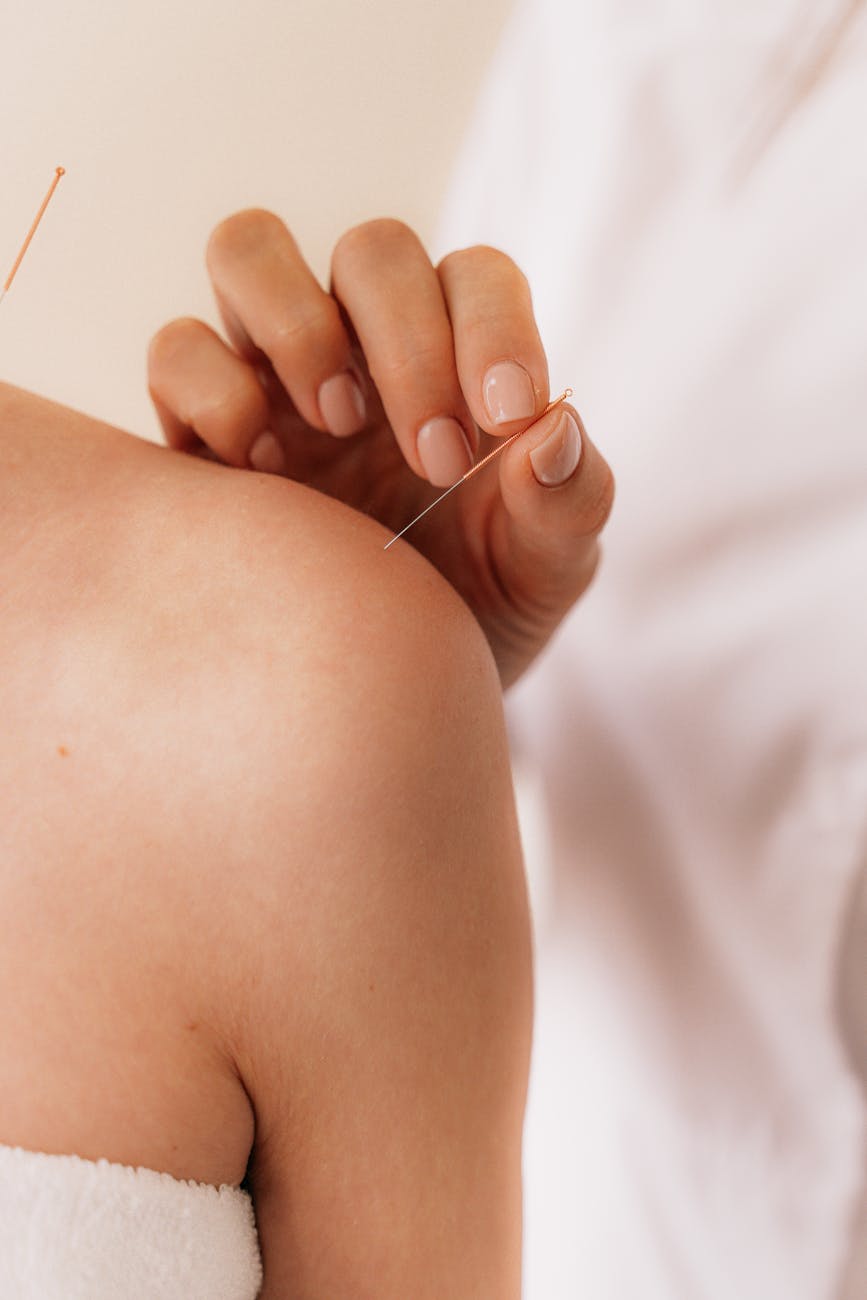
Dry needling refers to a treatment where very thin, solid filament needles are inserted into tender spots that refer pain elsewhere or tight areas that limit movement in the muscle or connective tissue. Needling stimulates sensory nerves in the soft tissue to interrupt pain signals to the brain and activate pain-blocking signals from the brain. Research supports increase in local blood circulation, reduced inflammation chemicals in the areas and improved oxygenation of the tissue. It works in combinations of exercise therapy to improve function, range of motion and pain reduction.
A typical session includes an assessment with palpation to locate areas of concern. Needles are gently inserted into the muscle, some report a brief pinch or pressure and the muscle may briefly ‘twitch.’ The needles remain in place for a short period on time, seconds to minutes, or gently moved depending in the body’s response. After treatment, mild soreness of temporary fatigue may result with relief in mobility
PNF Stretching
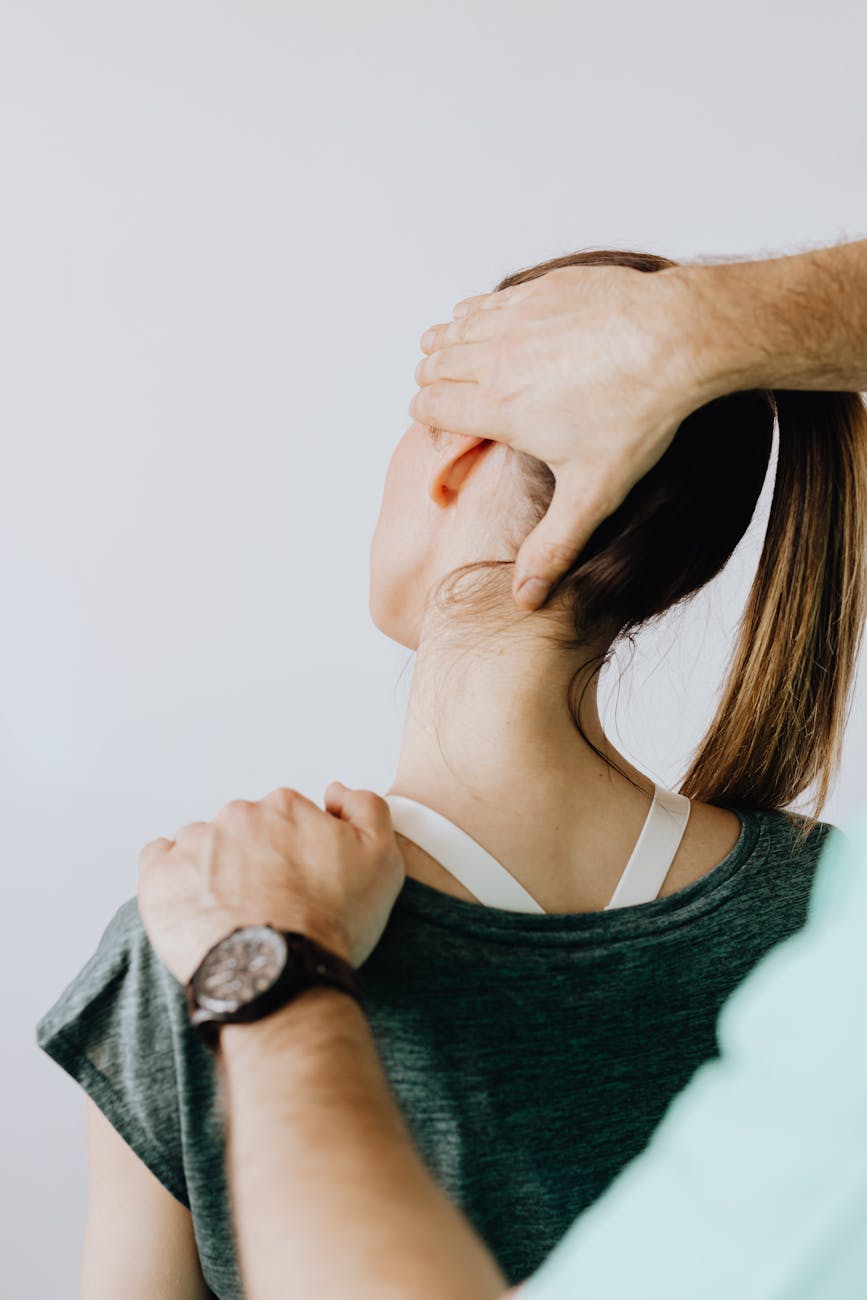
PNF (proprioceptive neuromuscular facilitation) stretching is widely used in rehabilitation because it targets not just the muscle length, but the nervous system’s control of muscle tension. It is used to reduce protective muscle guarding and improve range of motion by reducing opposition from tight of overactive muscle groups during stretching.
PNF is effective for post-injury stiffness, immobilization stiffness, protective muscle guarding, chronic tightness with pain sensitivity.
PNF stretching is a guided, hands-on, slow cycle of stretching and gentle muscle contractions resulting in a strong but controlled stretch sensation and an increased range of motion. For long term results, it is used in combination with muscle control retraining and functional movement practice.
MyoFascial Release
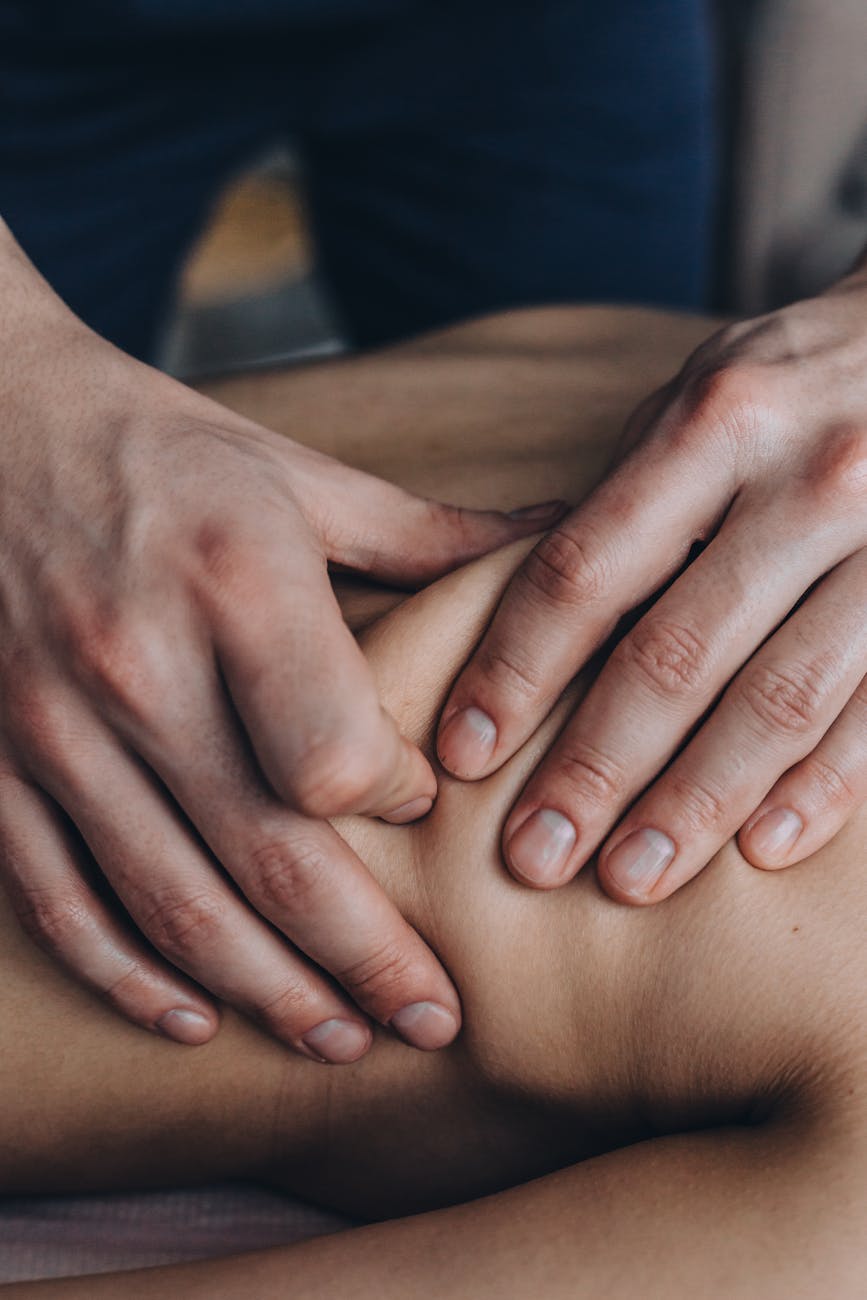
Fascia is a 3D internal web surrounding and supporting almost every structure in your body, connecting and organizing muscles, bones, nerves, blood vessels and organs. Fascia allows tissues to slide smoothly against each other and is responsible for distributing forces when you move. It contains many nerve endings, as such, plays an important role in pain perception and body awareness.
Damage occurs from chronic poor posture, injury or surgery, repetitive strain, lack of movement, stress or inflammation. Restricted fascia shows up as stiffness, consistent aching, feeling of tight bands and knots. For example, the thoracolumbar fascia (a strong layer of connective tissue in the mid to low back responsible for stabilizing the spine, connecting the upper and lower body, transferring force when you move and supporting of posture) has been demonstrated in recent research to be clearly associated with chronic low back pain when restricted.
Myofascial release involves slow, sustained pressure stretching the tissue for 60-120 seconds or longer. During a session, you will typically feel a slow stretching sensation, warmth in the area and mild soreness to touch in the area after treatment but instant increase in mobility and decrease in pain complaint. Think of it as a way to temporarily change how stiff, sensitive, or “guarded” a region feels so that exercise can be performed more effectively and with better quality.


 Posture & Movement Ltd Co
Leave a comment